History of Velyka Oleksandrivka
The history of the settlement is a combination of legends, real events, and the lives of people who developed and shaped this land.
Legend of the Founding
According to one legend, people, seeking a better life and escaping hardship, set out toward the Black Sea steppes. A man named Oleksandr was sent ahead to explore the land.
Upon returning, he told of fertile soils, endless steppes, and the Inhulets River. The people decided to move.
The journey was difficult — not everyone survived. But those who reached their destination founded a settlement on the riverbank.
Before his death, Oleksandr asked only one thing — to be remembered. In his honor, the settlement was named Oleksandrivka.
Foundation and Settlement
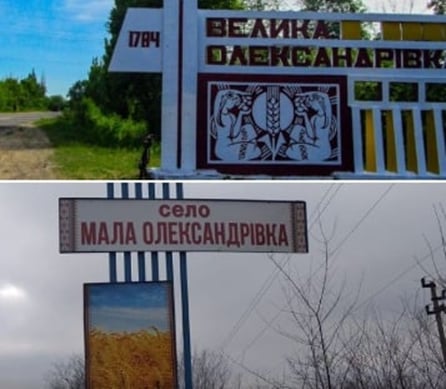
Historically, the settlement was founded in 1784 as part of the active development of territories following the Russian–Turkish wars.
The first settlers came from the Chernihiv, Poltava, and Kyiv regions, as well as from Belarus and Lithuania.
An important role in the establishment of the settlement was played by a man named Oleksandrovskyi, who led the settlers to this land.
Development
The first houses were built along the Inhulets River. Over time, the settlement expanded, with new streets and districts appearing.
In 1808, a neighboring settlement — Mala Oleksandrivka — was founded.
People built their homes from local stone, sourced water from wells, and developed agriculture.
Cultural Life
Despite difficult conditions, the residents стремились к образованию и культуре.
- theater groups were formed
- choral singing developed
- performances and gatherings were held
The first library appeared in 1898 and became an important center of education.
Population Growth
According to census data:
- 1816 — about 3,000 residents
- 1909 — over 6,000 residents
Historical Changes
Throughout different periods, the history of the settlement changed, with social and economic transformations taking place.
However, the residents preserved their identity, traditions, and connection to their native land.