Library history

Interest-based clubs helped the library remain a vibrant cultural centre, encouraged communication among people, fostered the development of creative abilities, and contributed to preserving the community’s cultural traditions.
Library Support from Mykhailo Sheytelman
Our Projects
May 14 (old style), 1898 — The Kherson District Guardianship of Public Sobriety opened a tea house in Velyka Oleksandrivka, and alongside it, a library. Its collection consisted of 367 books, mostly of religious content, though it also included fiction. :contentReference[oaicite:0]{index=0}
Reading in the library was paid: to read something, one had to buy tea. Children were not allowed into the reading room. In 1900, the newspaper “Yug” reported that from May 14, 1898 to January 1, 1900, 629 books were issued, while more than 12,000 glasses of tea were consumed.
The turbulent events of 1917 marked a new stage in the development of library work. In the 1920s–30s, libraries became centers for eliminating illiteracy and for political, cultural, and educational activities.
In 1926, the library collection in the district center amounted to 7,770 books. Children’s literature was separated. Eight mobile libraries operated, each with 50 books. They served villages and returned every two months. Newspapers “Kommunar,” “Izvestia,” and “Chervonyi Selyanyn” were subscribed to. There was little Ukrainian literature.
The Nazi occupation caused great damage — the book collection of the district library was completely destroyed.
After the liberation of Velyka Oleksandrivka in 1944, the head librarian Paraskoviia Serhiivna Tarkhova restored the collection. Hundreds of readers donated their books. On November 15, 1944, the library officially reopened.
The library did not have its own premises and was located in the editorial office of the district newspaper. Staff — 2 librarians. Collection — 4,640 items. 28 periodicals were subscribed to, and the number of readers was 560.
Children’s Library
In 1948, a district children’s library was established (collection — 600 items), headed by Motrona Vasylivna Kovalova.
In 1958, a reading hall was opened. In 1962, the library received the title “Library of Excellent Work.”
The library changed locations: from a small house to the House of Pioneers, later to a separate building at 11 Teatralna Street, and since 1992 — in the old House of Culture.
The children’s collection grew to 21,600 items. Each year, more than a thousand users visit the library.
Development of the Library System
In the 1960s, district libraries competed for the title “Library of Excellent Work.” In 1961, the district library received the title “Institution of Culture of Excellent Work.”
Paraskoviia Serhiivna Tarkhova formed a generation of librarians and laid the foundation for the system’s development.
In 1976–1979, libraries were centralized. A centralized system of 27 libraries was created.
In the 1980s, libraries actively worked with the population at places of residence, work, and study.
In 1992, the central library received a new building. The women’s club “Nedilna Svitlytsia” was created.
As of January 1, 2004, the collection totaled 63,429 items, and the number of users was 3,892.
The Library They Tried to Destroy
Before the war, the library was a modern space: 12 branches, a children’s and a central library, and more than 63,000 books. It was a living infrastructure of knowledge.
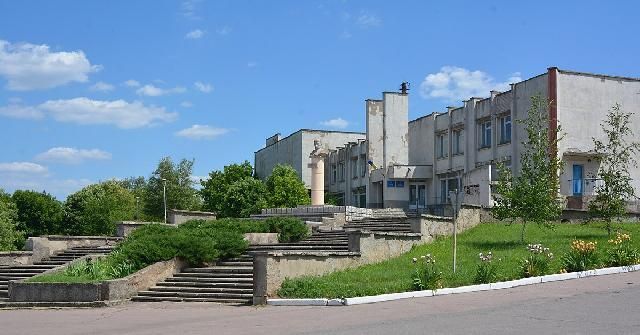
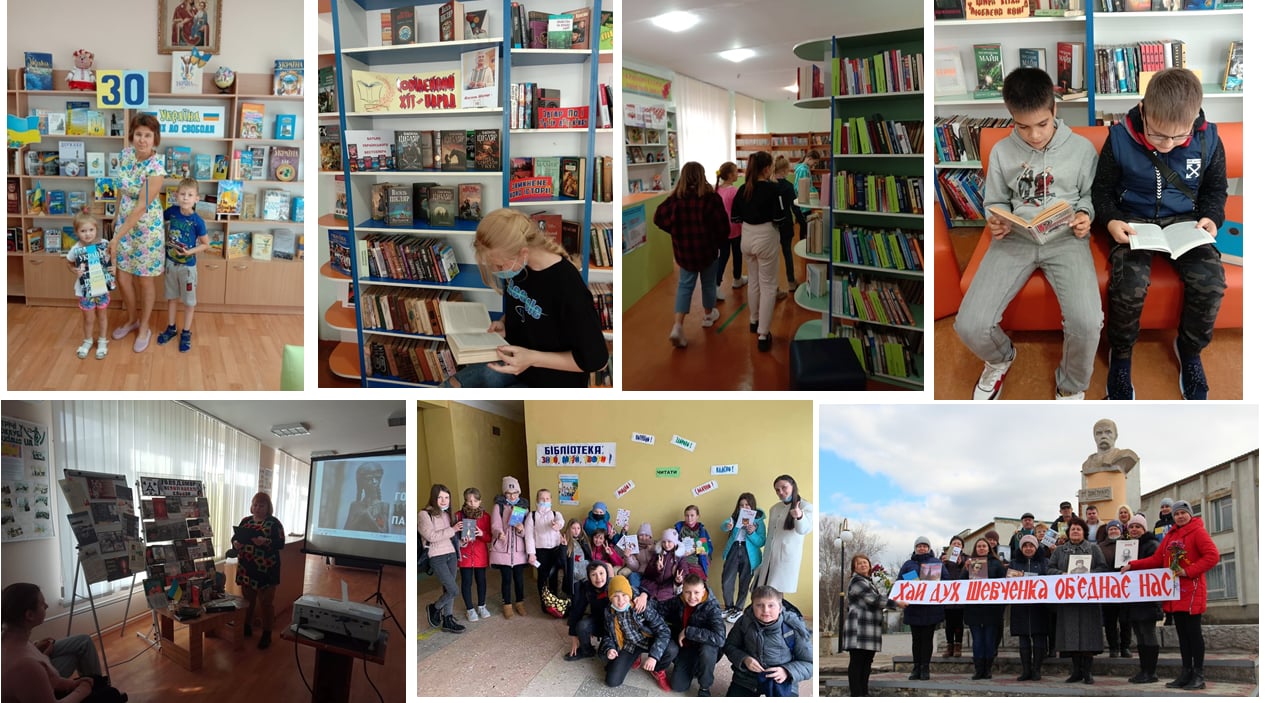
- multimedia club “Cinema and Book”;
- youth program “Order a Writer”;
- art gallery;
- film club “Docudays UA”;
- video workshop;
- examination площадка (exam площадка);
- course “Diia. Digital Education”.
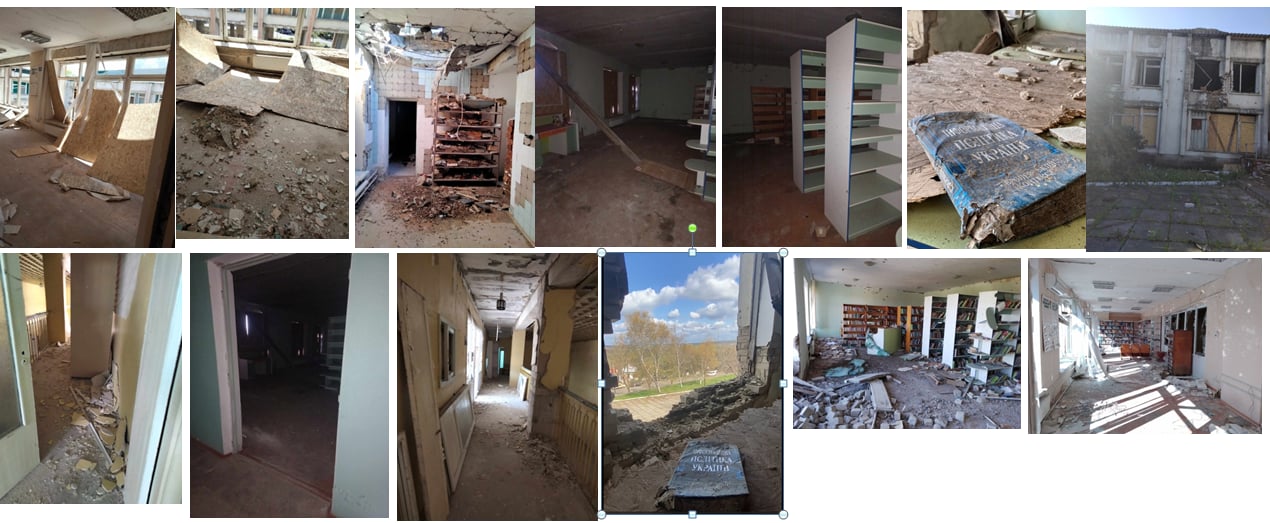
March 10, 2022 — during the occupation, 90% of the settlement’s infrastructure was destroyed. The library became one of the first victims.
Books were destroyed, shot, burned. It was a deliberate attempt to erase culture and memory.
June 1, 2024 — a missile strike completely destroyed the building. Out of 63,000 books, only 5,016 remained.
Restoration
The library resumed its work thanks to the support of the community and the administration. Premises were provided in School No. 2.
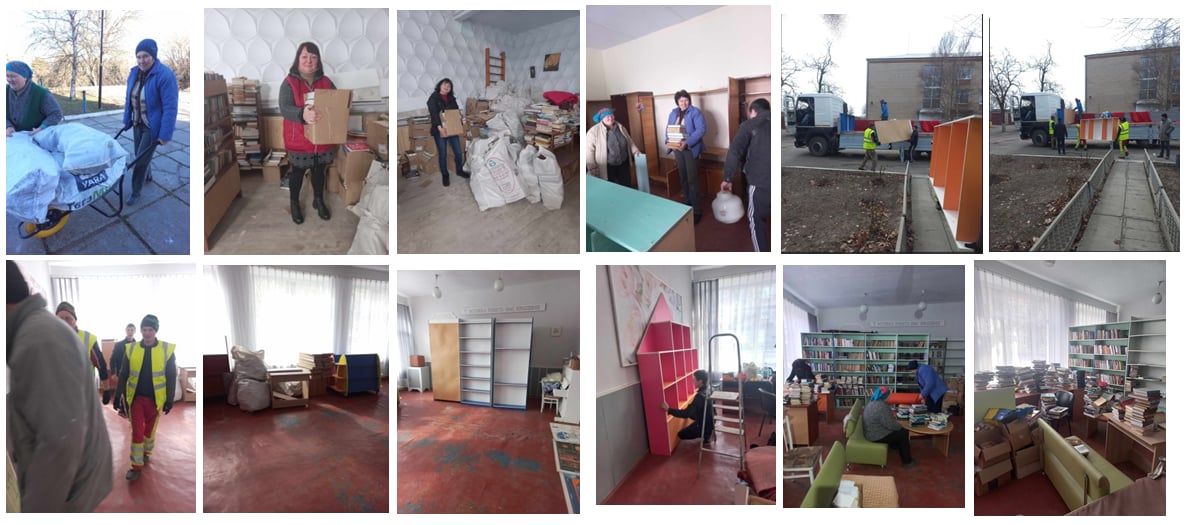
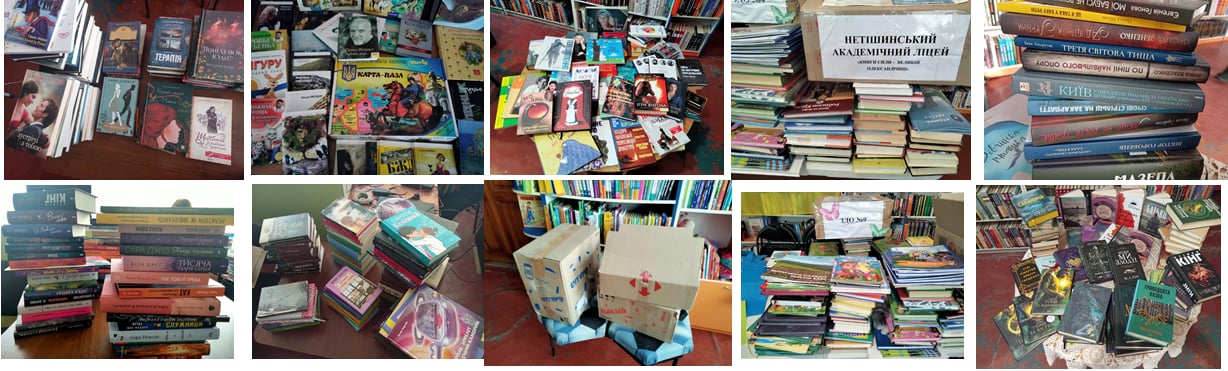
People brought books, and help came from Ukraine and abroad. The collection began to be restored almost from scratch.
The Danish Refugee Council project “Bibliohub” was implemented, making it possible to equip a modern space.
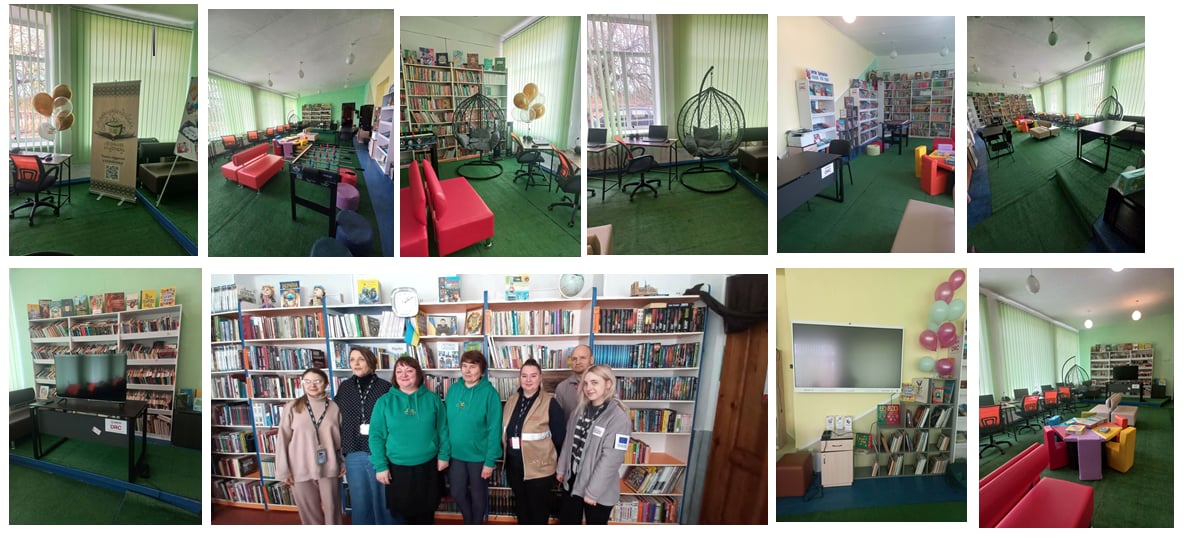
Today, the library is a point of support for the community — a space for recovery, knowledge, and communication.
They tried to destroy it. But it works again.
We recommend these